Climate Change on Saona Island: Coastal Risks, Environmental Impacts and Adaptation
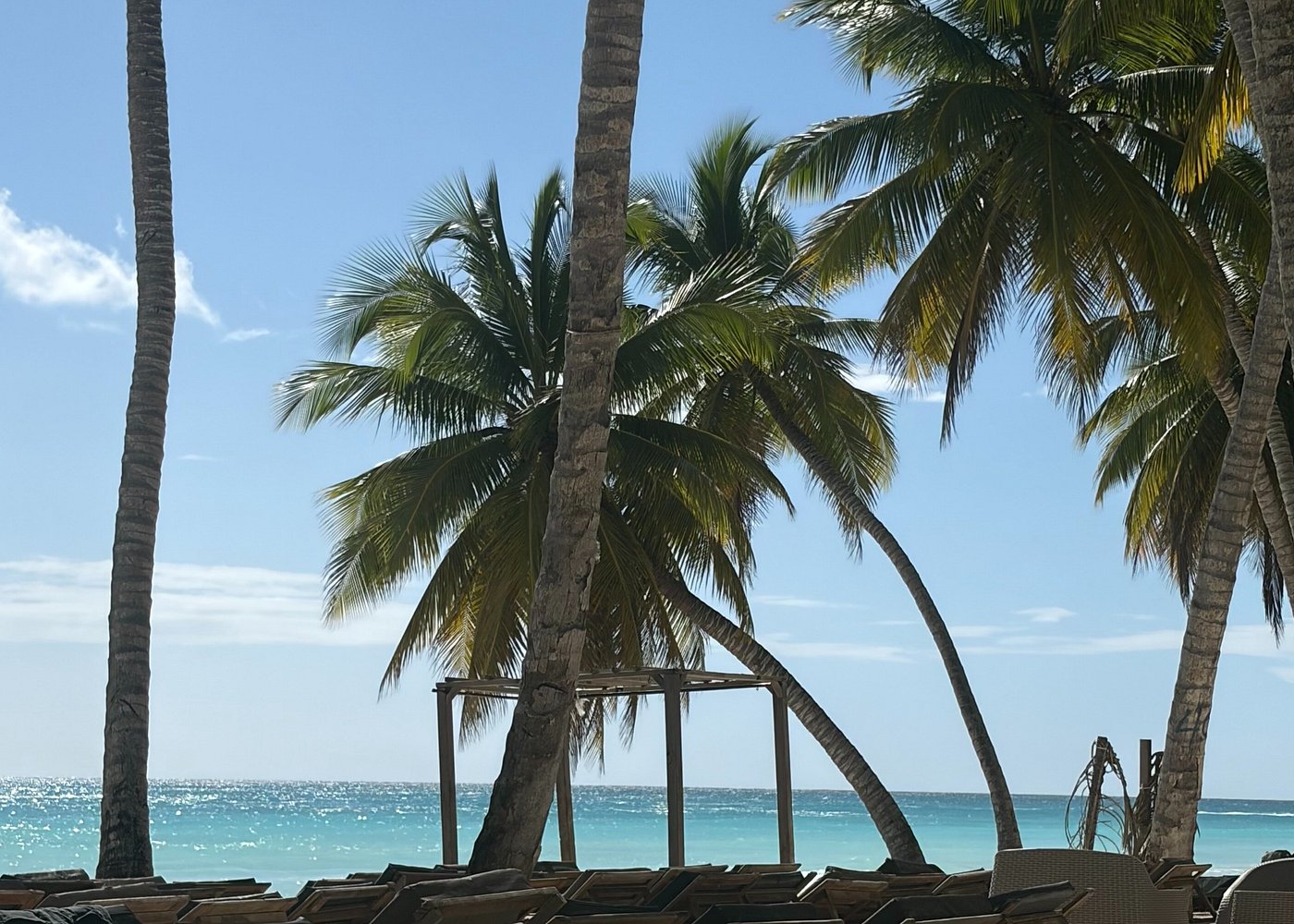
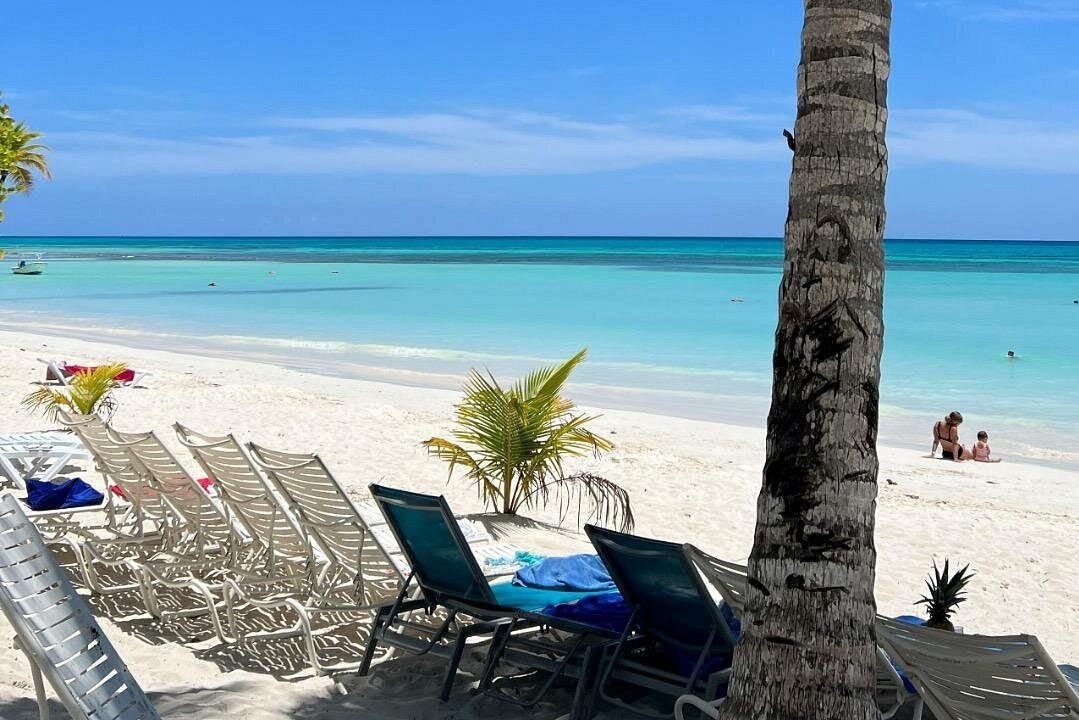
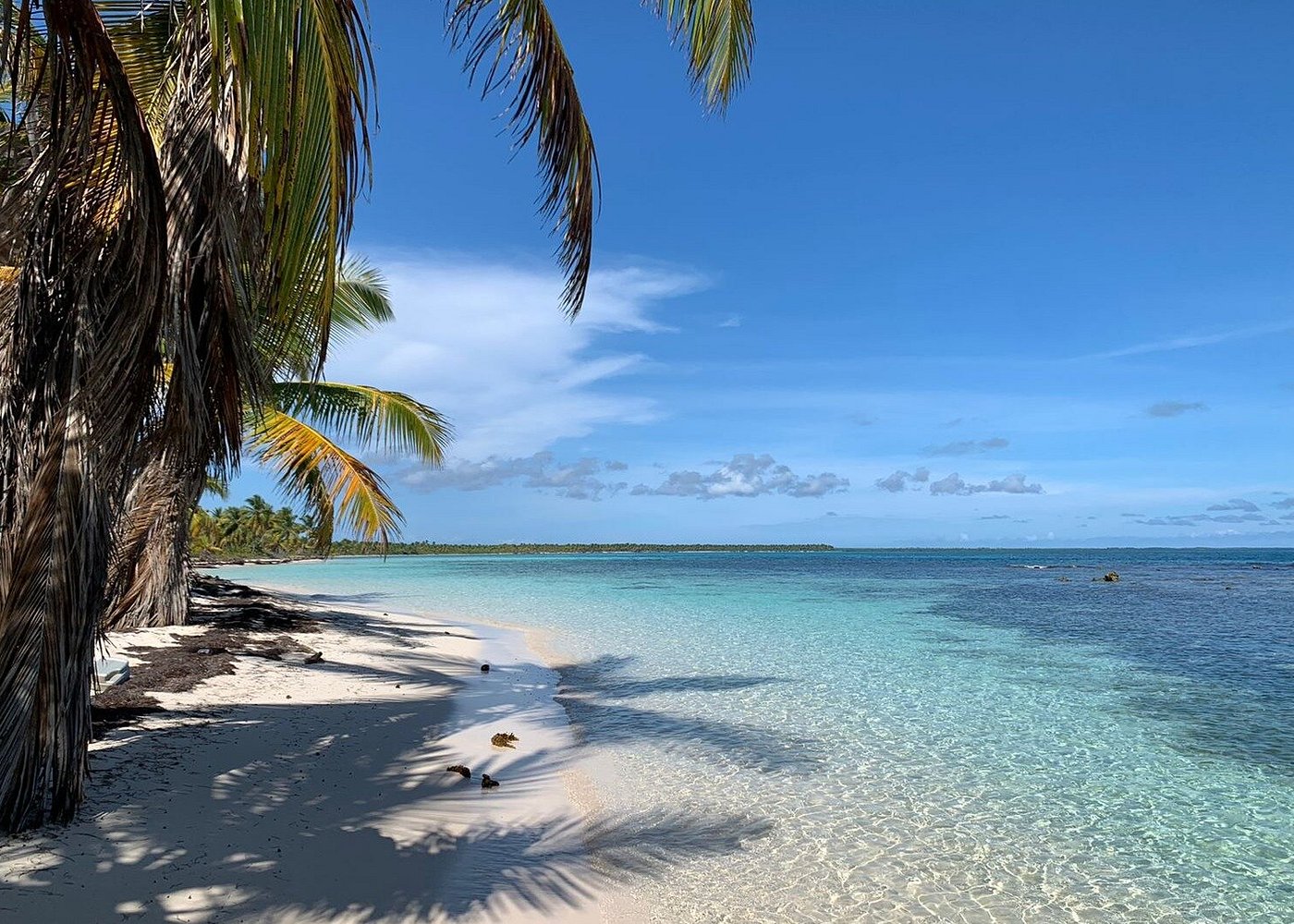
Saona Island is one of the Dominican Republic's best-known Caribbean destinations. Its beaches, turquoise water, mangroves, coastal vegetation, and marine habitats make it an important part of the country's natural heritage.
However, like other low-lying Caribbean coastal destinations, Saona Island exists in a region facing long-term climate pressures. Rising sea levels, increasing ocean temperatures, changing rainfall patterns, and stronger impacts from extreme weather can affect coastal ecosystems and the communities and activities that depend on them.
Climate change is not simply a distant environmental issue. It can influence the future condition of beaches, marine habitats, natural resources, and tourism destinations.
Saona Island forms part of Cotubanamá National Park, a protected area that includes coastal landscapes, forests, wetlands, mangroves, and surrounding marine environments. Understanding the potential effects of climate change is therefore important for protecting both the island's natural environment and its long-term tourism value.
This guide explains the major climate-related pressures relevant to Saona Island, what they could mean for visitors and local communities, and why conservation and adaptation matter.
1. Why Climate Change Matters to Saona Island
Saona Island is part of a Caribbean coastal environment. Its natural systems are influenced by the ocean, weather, rainfall, temperature, and coastal processes.
Climate change can affect these systems in several ways:
- Rising sea levels can increase coastal flooding and erosion risks.
- Warmer ocean temperatures can place stress on coral reefs.
- Changes in rainfall can influence freshwater availability.
- Extreme weather can damage coastal vegetation and infrastructure.
- Changes in marine ecosystems can affect fisheries and tourism experiences.
These are recognized climate-related pressures for Caribbean coastal environments and the Dominican Republic.
However, it is important to distinguish regional and national climate assessments from island-specific measurements. Not every projected impact has been directly documented at every beach or location on Saona Island.
2. Sea Level Rise and the Future of Saona Island's Coastline
One of the major long-term climate concerns for low-lying islands is sea level rise.
Global sea levels are rising as ocean water expands when it warms and additional water enters the ocean from melting glaciers and ice sheets.
The World Bank's Climate Change Knowledge Portal provides sea-level projections for the Dominican Republic based on climate scenarios and IPCC assessment data.
For coastal environments, rising sea levels can contribute to:
- More frequent coastal flooding.
- Greater exposure to storm surges.
- Changes in beach profiles.
- Saltwater intrusion into coastal freshwater systems.
- Increased pressure on low-lying habitats.
Saona Island's exact future shoreline changes will depend on local elevation, coastal geology, sediment movement, reef condition, vegetation, and other factors.
It would therefore be inaccurate to claim that a particular beach will disappear by a specific year without reliable site-specific research.
3. Beach Erosion and Changing Coastal Landscapes
Beaches are dynamic environments.
Waves, tides, currents, storms, sediment supply, and vegetation naturally influence the shape and position of a coastline.
Climate change can add pressure to these processes.
Rising sea levels may allow waves to reach farther inland during certain conditions. Strong storms and changing wave patterns can also move sediment and alter beach profiles.
What could visitors notice?
Over time, coastal changes may influence:
- The width of some beach areas.
- The position of the shoreline.
- The amount of exposed sand.
- The shape of sandbars.
- The condition of coastal vegetation.
- The availability of safe beach access in certain locations.
These changes are not necessarily uniform. One part of a coastline may experience erosion while another accumulates sediment.
A beach can also change naturally from season to season without every change being caused by climate change.
Understanding this distinction is important when discussing the future of Saona Island's beaches.
4. Coral Reefs and Increasing Ocean Temperatures
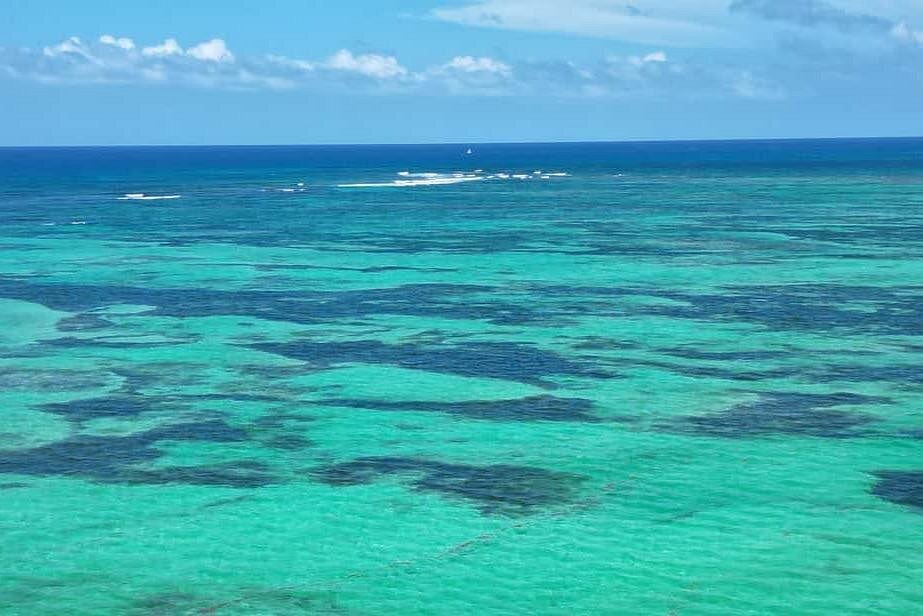
Coral reefs are important parts of tropical marine ecosystems.
They provide habitat for marine organisms and contribute to the structure of coastal environments.
One major climate-related threat to coral reefs is ocean warming.
When corals experience unusually high water temperatures for extended periods, they can become stressed and expel the microscopic algae living in their tissues. This process is known as coral bleaching.
Bleached corals are not automatically dead, but prolonged or repeated stress can increase the risk of mortality.
Why does coral health matter around Saona Island?
Healthy reef systems can:
- Provide habitat for fish and other marine organisms.
- Support marine biodiversity.
- Contribute to the natural structure of coastal environments.
- Help reduce some wave energy before it reaches shore.
- Support activities such as snorkeling and diving in suitable locations.
Climate change is not the only threat to coral reefs. Pollution, physical damage, disease, and other human pressures can also affect reef health.
Protecting marine habitats requires addressing several pressures together.
5. Mangroves Under Climate Pressure
Mangroves are important coastal ecosystems in the Caribbean.
Their roots provide habitat for marine organisms, trap sediment, and contribute to coastal protection.
They also store significant amounts of carbon in their vegetation and soils.
However, mangrove ecosystems can be vulnerable to rising sea levels, changes in salinity, altered sediment supply, and coastal development.
How could climate change affect mangroves?
Potential pressures include:
- Increased water levels.
- Changes in the frequency and duration of flooding.
- Saltwater intrusion into nearby freshwater environments.
- Changes in sediment conditions.
- Greater stress when landward migration is blocked by natural or built barriers.
The ability of mangroves to adapt depends on local conditions. Some forests may expand or migrate where suitable land and sediment are available, while others may struggle.
Protecting existing mangrove habitats is an important part of maintaining coastal resilience.
6. Changes in Rainfall and Freshwater Resources
Climate change can influence rainfall patterns as well as temperature.
The Dominican Republic faces climate risks that include changing rainfall, drought, and extreme precipitation.
For islands and coastal communities, freshwater resources are particularly important.
Longer or more severe dry periods could place additional pressure on freshwater supplies. Heavy rainfall can also create drainage problems, runoff, and localized flooding.
For Saona Island, freshwater conditions should be understood through local monitoring rather than assumptions based only on national climate projections.
Why freshwater matters
Freshwater is essential for:
- Local households.
- Community services.
- Sanitation.
- Food preparation.
- Tourism-related activities.
- Natural vegetation and wildlife.
Responsible water use is therefore important for both environmental protection and the long-term wellbeing of island communities.
7. Extreme Weather and Coastal Storms
The Caribbean is exposed to tropical storms and hurricanes.
Climate change does not mean that every individual storm will become stronger or that every storm is caused by climate change.
However, a warmer atmosphere and ocean can influence several storm-related hazards, including rainfall intensity and the potential for more intense tropical cyclones.
For low-lying coastal environments, storm impacts may include:
- Coastal flooding.
- Strong waves and storm surges.
- Damage to vegetation.
- Fallen trees and branches.
- Changes to beach access.
- Damage to boats, docks, and other infrastructure.
The effects of a storm depend on its track, intensity, speed, rainfall, local coastal conditions, and the condition of natural protective habitats.
Visitors should always follow official weather alerts and local instructions.
8. How Climate Change Could Affect Saona Island Tourism
Tourism depends on the condition of natural environments.
Saona Island's appeal is closely connected to its beaches, marine scenery, coastal habitats, and outdoor activities.
Climate-related environmental changes could influence tourism in several ways.
Beach experiences
Changes in beach width, shoreline conditions, or storm damage could affect the appearance and usability of certain coastal areas.
Snorkeling and diving
Coral bleaching and reef degradation can affect underwater scenery and marine biodiversity.
Boat excursions
Extreme weather and changing sea conditions can influence safe travel and tour operations.
Coastal infrastructure
Low-lying infrastructure may face increased exposure to flooding and storm impacts.
Visitor expectations
Travelers may increasingly consider environmental responsibility and climate resilience when choosing destinations.
These are potential pressures rather than a prediction that Saona Island tourism will necessarily decline. Good management and adaptation can help reduce risks.
9. The Role of Natural Coastal Protection
Natural ecosystems can help reduce some climate-related risks.
They cannot eliminate every hazard, but healthy coastal habitats contribute to environmental resilience.
Mangroves
Mangrove roots can reduce water movement locally, trap sediment, and provide habitat.
Coral reefs
Reef structures can dissipate some wave energy before it reaches the shoreline.
Coastal vegetation
Plant roots can help stabilize some coastal soils and sandy areas.
Wetlands
Wetlands can store water and provide important ecological functions.
These ecosystems work together in complex ways.
Protecting them is not simply about preserving scenery. It is also about maintaining natural systems that support coastal communities and tourism.
10. Climate Adaptation: Preparing for Future Conditions
Climate adaptation means adjusting management, infrastructure, and human activities to reduce the risks associated with climate change.
For a protected destination such as Saona Island, adaptation can involve several approaches.
Protecting natural habitats
Maintaining mangroves, coral reefs, coastal vegetation, and wetlands can support natural resilience.
Monitoring coastal changes
Regular observations of beach profiles, shoreline movement, and coastal flooding can help identify changing conditions.
Improving environmental management
Controlling pollution, managing visitor activities, and preventing habitat destruction can reduce additional pressure on ecosystems.
Planning infrastructure carefully
Infrastructure in coastal areas should account for flooding, storm exposure, drainage, and future environmental conditions.
Supporting local communities
People living and working in coastal areas need access to information, planning, resources, and opportunities to participate in adaptation decisions.
Climate adaptation is most effective when environmental protection and community needs are considered together.
11. What Can Tourists Do to Help Protect Saona Island?
Visitors cannot solve climate change during a single trip, but responsible travel choices can reduce local environmental pressure.
Here are practical actions travelers can take.
Choose responsible tour operators
Look for operators that follow protected-area rules and avoid damaging natural habitats.
Avoid damaging coral reefs
Do not stand on, touch, or remove coral. Use snorkeling equipment responsibly and follow local guidance.
Respect mangrove habitats
Do not break roots, remove plants, or enter restricted areas.
Reduce waste
Carry reusable items where practical and take rubbish away from beaches and natural areas.
Use resources responsibly
Avoid unnecessary water waste and follow local instructions for waste disposal.
Support local communities
Choose legitimate local services and respect community guidance and cultural practices.
Follow official weather advice
Do not pressure operators to depart when conditions are unsafe.
These actions help reduce direct environmental pressure and support responsible tourism.
12. How to Learn About Climate Conditions Before Your Visit
Travelers should distinguish between a short-term weather forecast and long-term climate change.
Weather describes atmospheric conditions over a short period. Climate describes longer-term patterns and trends.
Before visiting Saona Island:
- Check official weather forecasts.
- Follow tropical storm and hurricane advisories.
- Ask tour operators about current sea and beach conditions.
- Respect temporary closures and safety instructions.
- Avoid relying on old photographs as proof of current beach conditions.
A sunny forecast does not guarantee calm seas, and a long-term climate projection does not predict the exact weather on your travel date.
13. Why Climate Research and Monitoring Matter
Reliable local information is essential for understanding how Saona Island may change.
Useful monitoring activities can include:
- Recording shoreline positions over time.
- Measuring beach profiles.
- Monitoring sea-level trends.
- Observing mangrove health.
- Assessing coral reef condition.
- Monitoring water quality.
- Recording coastal flooding and storm impacts.
Researchers need long-term observations to distinguish natural variation from lasting environmental change.
This is especially important for islands, where local geography can produce very different conditions over short distances.
14. Frequently Asked Questions
Is Saona Island affected by climate change?
Saona Island is part of a Caribbean coastal region exposed to climate-related pressures such as sea-level rise, ocean warming, changing rainfall, and extreme weather. The exact effects at individual island locations require site-specific monitoring.
Will Saona Island disappear because of sea-level rise?
There is no reliable basis for claiming that the entire island will disappear by a particular date. Future impacts depend on local elevation, coastal processes, sediment movement, ecosystems, and the pace of sea-level rise.
Can climate change affect Saona Island's beaches?
Yes. Sea-level rise and changing storm conditions can increase coastal erosion and flooding risks. However, beach changes vary by location and can also result from natural seasonal processes.
Does climate change affect coral reefs near Saona Island?
Ocean warming can cause coral bleaching and increase stress on reef ecosystems. Local reef conditions are also influenced by pollution, disease, physical damage, and other pressures.
Are mangroves important for climate adaptation?
Yes. Mangroves can trap sediment, provide habitat, store carbon, and reduce some local coastal impacts. Their effectiveness depends on ecosystem health and local conditions.
Does climate change affect Saona Island tourism?
It could influence beaches, marine habitats, infrastructure, and weather-related operations. The scale of future effects will depend on climate conditions, local vulnerability, and adaptation measures.
Can tourists help protect Saona Island?
Visitors can reduce waste, respect protected habitats, avoid damaging coral and vegetation, choose responsible operators, and follow environmental rules.
Is every beach change caused by climate change?
No. Beaches naturally change because of waves, tides, currents, storms, and sediment movement. Long-term observations are needed to identify the influence of climate change.
Where can I find official climate information about the Dominican Republic?
The Dominican Republic's Ministry of Environment publishes climate-related reports. The World Bank Climate Change Knowledge Portal also provides country-level information and sea-level projections.
Conclusion
Climate change presents important long-term challenges for Caribbean coastal destinations, and Saona Island is part of a region that must prepare for changing environmental conditions.
Sea-level rise, warmer oceans, coral bleaching, changing rainfall, and extreme weather can place pressure on beaches, marine habitats, freshwater resources, and tourism infrastructure.
However, the future of Saona Island is not determined by climate pressures alone. Conservation, scientific monitoring, responsible tourism, and effective adaptation can help protect its natural environment.
Visitors can contribute by respecting protected habitats, reducing waste, choosing responsible excursions, and supporting the communities connected to the island.
Saona Island's future depends not only on the beauty of its beaches today, but also on how well its natural systems are protected for tomorrow.

Local explorer & expert guide in Tours y Excursiones.