Saona Island Blue Carbon: Coastal Carbon Storage, Mangroves, Seagrass & Climate Benefits
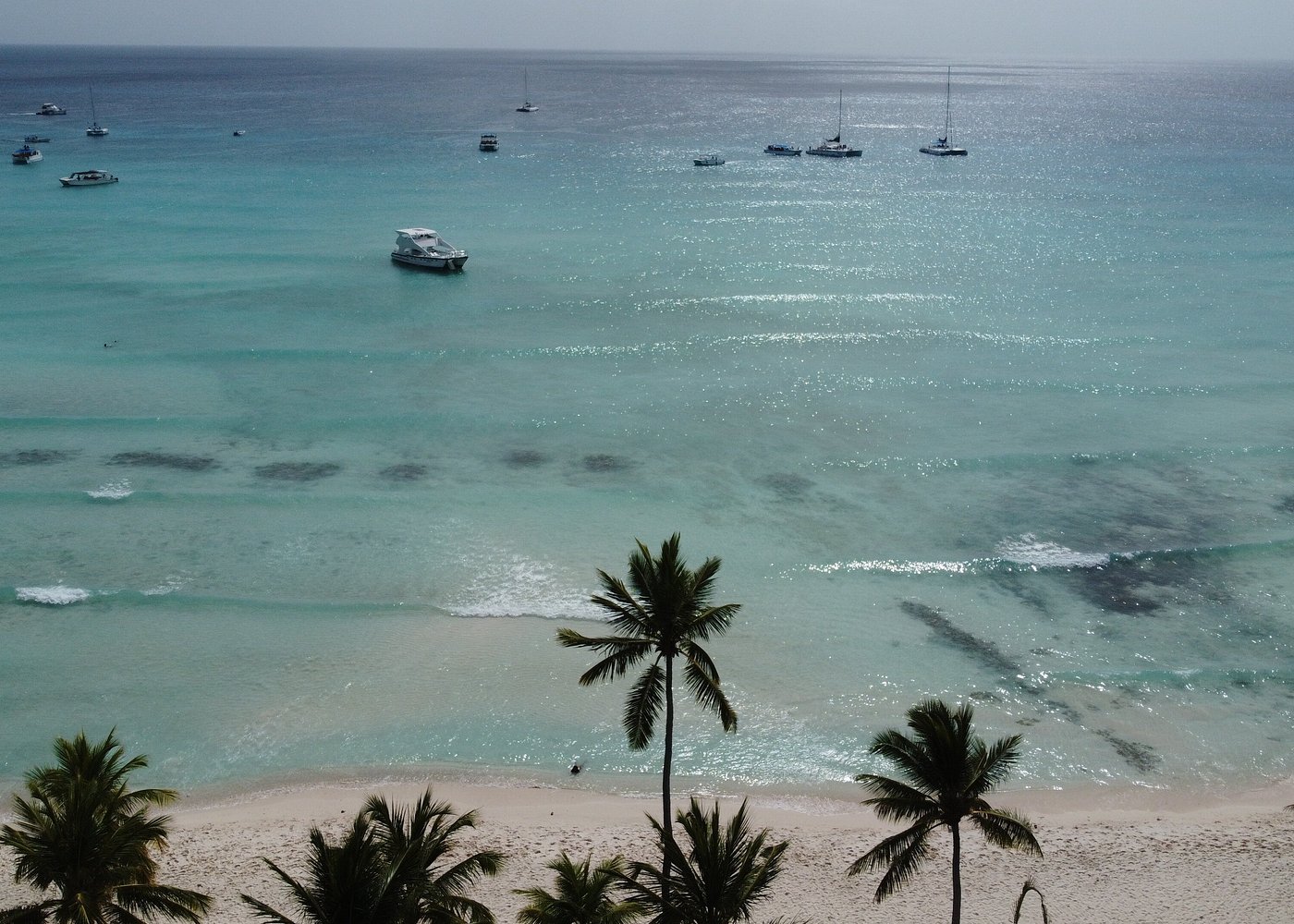
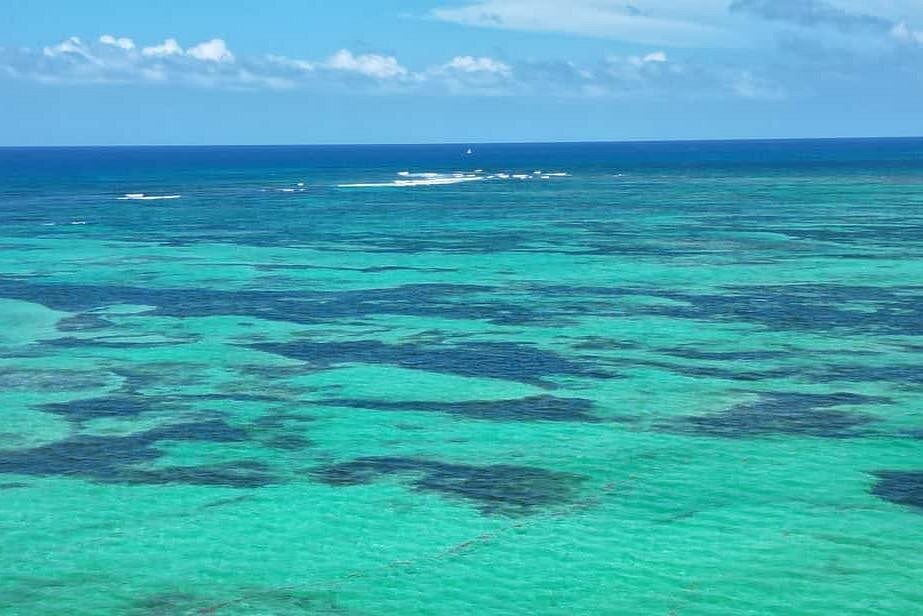
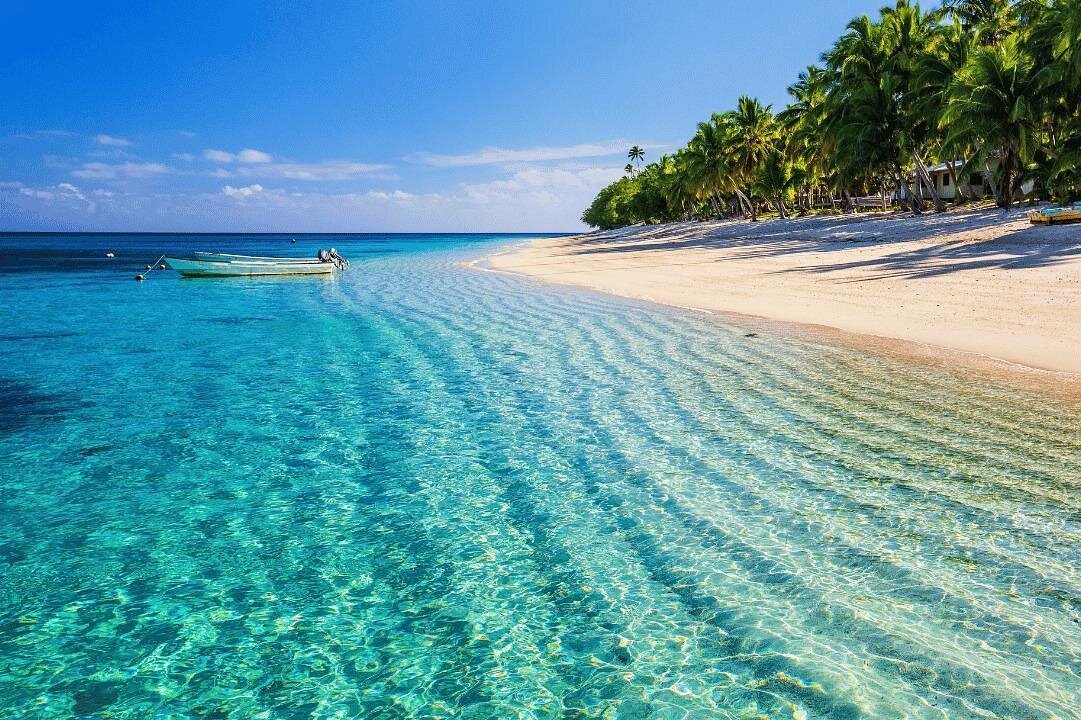
Saona Island in the Dominican Republic is surrounded by a rich tropical coastal environment. Its beaches, marine habitats, coastal vegetation, and surrounding Caribbean waters are important parts of the island's natural landscape.
However, coastal ecosystems provide benefits that are not always visible to visitors. One particularly important environmental function is carbon storage.
Certain coastal ecosystems can capture carbon dioxide from the atmosphere and store carbon in vegetation, roots, and underwater sediments. This process is commonly associated with blue carbon.
Blue carbon is an important subject in climate science because coastal ecosystems can store significant amounts of carbon over long periods when they remain healthy and undisturbed.
Understanding Saona Island blue carbon provides another way to appreciate the environmental value of coastal habitats. It also explains why protecting mangroves, seagrass meadows, and associated sediment environments matters for wider ecosystem conservation.
This guide explores blue carbon, carbon sequestration, coastal sediment storage, scientific measurement methods, environmental threats, and opportunities for responsible conservation.
1. What Is Blue Carbon?
Blue carbon refers to carbon captured and stored by coastal and marine ecosystems.
The term is commonly associated with three major coastal ecosystem types:
- Mangrove forests
- Seagrass meadows
- Tidal salt marshes
These environments can remove carbon dioxide from the atmosphere or surrounding water through biological processes.
Plants use photosynthesis to convert carbon dioxide into organic compounds. Some of this carbon becomes part of plant tissues, while some enters the surrounding sediment through roots, fallen leaves, and other organic materials.
Over time, a portion of this organic carbon can become buried in sediments.
This storage process makes certain coastal ecosystems important components of the global carbon cycle.
The presence and extent of each habitat around a particular island must be established through reliable environmental surveys rather than assumed from general regional descriptions.
2. How Does Coastal Carbon Storage Work?
Carbon storage in coastal ecosystems involves several interconnected processes.
Photosynthesis
Plants and algae use sunlight to convert carbon dioxide and water into organic compounds.
This process stores carbon in biological material and releases oxygen.
Carbon Transfer
Plant material enters the surrounding environment through fallen leaves, roots, dead organisms, and other organic matter.
Some material is consumed by organisms, while some becomes part of the sediment.
Sediment Burial
In suitable environments, organic material can become buried beneath additional sediment.
When decomposition is limited by environmental conditions, some carbon may remain stored for long periods.
Long-Term Carbon Storage
Carbon can remain in coastal sediments for decades, centuries, or longer, depending on the environment and sediment conditions.
However, not all carbon entering a coastal ecosystem remains permanently stored. Some is decomposed and released back into the atmosphere or water.
The overall balance depends on biological activity, sediment movement, oxygen conditions, and environmental disturbance.
3. Mangroves and Blue Carbon
Mangrove forests are among the best-known blue carbon ecosystems.
Mangroves are salt-tolerant trees and shrubs that grow in suitable tropical and subtropical coastal environments.
Their complex root systems interact with sediment and water movement.
Carbon Storage in Mangrove Biomass
Mangrove trees store carbon in:
- Trunks
- Branches
- Leaves
- Roots
As the trees grow, they accumulate carbon in their living biomass.
Carbon Storage in Mangrove Sediments
Mangrove roots help trap and stabilize sediment.
Fallen leaves and other organic materials can accumulate within the forest floor.
Under suitable conditions, some of this material becomes buried and contributes to sediment carbon storage.
Why Mangrove Protection Matters
Removing mangroves can reduce future carbon accumulation and disturb existing sediment carbon.
Depending on the extent of disturbance, stored carbon may be released through decomposition or erosion.
Protecting mangrove habitats therefore supports both biodiversity and climate-related ecosystem functions.
4. Seagrass Meadows and Carbon Sequestration
Seagrass meadows are underwater habitats formed by flowering plants adapted to marine conditions.
They are different from seaweed because seagrasses have true roots, stems, and leaves.
Seagrass meadows are important for marine biodiversity, sediment stability, and carbon cycling.
Photosynthetic Carbon Capture
Seagrasses absorb dissolved inorganic carbon from surrounding water during photosynthesis.
They use this carbon to produce plant material.
Root and Rhizome Storage
Below the sediment surface, seagrasses develop roots and horizontal underground stems called rhizomes.
Carbon is stored in these plant structures.
Sediment Accumulation
Seagrass leaves slow water movement near the seabed and can help trap particles.
Organic material may accumulate in the sediment beneath and around seagrass meadows.
Some of this carbon can become stored over long periods.
Why Seagrass Conservation Matters
Damage to seagrass meadows can reduce their ability to maintain sediment stability and support carbon storage.
Protecting these habitats is therefore important for coastal ecosystem management.
5. The Role of Coastal Sediments
Coastal sediments are an important part of blue carbon systems.
They can contain organic material derived from plants, microorganisms, and other biological sources.
The amount of carbon stored in sediment depends on several factors.
Sediment Grain Size
Fine-grained sediments may retain organic matter differently from coarse sandy sediments.
Their ability to accumulate and preserve carbon depends on local physical and chemical conditions.
Oxygen Availability
Oxygen influences how organic material decomposes.
In some waterlogged or oxygen-poor sediments, decomposition may be slower, allowing a greater proportion of organic carbon to remain stored.
Sediment Accumulation
Continued sediment deposition can bury organic material beneath newer layers.
This burial process can contribute to long-term carbon preservation.
Physical Disturbance
Erosion, dredging, excavation, and other disturbances may expose previously buried material.
The resulting carbon movement depends on the type and scale of disturbance.
6. Blue Carbon and the Global Carbon Cycle
The global carbon cycle describes the movement of carbon among the atmosphere, oceans, land, and living organisms.
Blue carbon ecosystems form one part of this larger system.
Their role can be understood through several processes:
- Carbon dioxide enters plant and algal photosynthesis.
- Carbon becomes part of biological material.
- Organic matter enters coastal sediments.
- Some carbon is decomposed and recycled.
- Some carbon becomes buried and stored for longer periods.
Healthy coastal habitats can therefore contribute to carbon cycling and storage.
However, blue carbon should not be considered a replacement for reducing fossil fuel emissions.
Protecting natural ecosystems and reducing greenhouse gas emissions are complementary climate actions.
7. How Can Scientists Measure Blue Carbon?
Measuring coastal carbon storage requires field sampling, laboratory analysis, and environmental data.
Researchers generally investigate both ecosystem size and carbon content.
Habitat Mapping
Scientists first identify and map the extent of relevant habitats.
Satellite imagery, aerial photographs, drones where permitted, and field surveys may help identify vegetation and habitat boundaries.
Biomass Measurement
Researchers estimate plant biomass using appropriate sampling methods.
Different methods are needed for aboveground and belowground vegetation.
Sediment Sampling
Sediment cores can be collected to investigate soil and sediment layers.
Sampling depth and location must be recorded accurately.
Carbon Content Analysis
Laboratory methods can determine the percentage of organic carbon in sediment or plant samples.
One common approach uses elemental analysis, while other methods may be appropriate depending on the sample.
Carbon Stock Estimation
Carbon stock is estimated by combining carbon concentration with the amount and density of the sampled material.
For sediment, calculations may include:
- Sediment depth
- Bulk density
- Organic carbon concentration
- Area represented by the sample
Reliable estimates require suitable sampling design and quality control.
8. Why Blue Carbon Matters for Saona Island
Coastal carbon storage is one of several environmental benefits associated with healthy coastal habitats.
For Saona Island, blue carbon research could help provide a better understanding of the ecological functions of its coastal environments.
Potential benefits of protecting carbon-storing habitats include:
Climate Regulation
Coastal ecosystems can contribute to the storage of carbon that would otherwise participate in the active carbon cycle.
Habitat Protection
Mangroves and seagrass meadows provide important habitats for many marine and coastal organisms.
Sediment Stability
Vegetation can help reduce sediment movement in suitable coastal environments.
Ecosystem Resilience
Healthy coastal habitats can contribute to ecosystem stability and support natural processes.
These benefits are connected, meaning that conserving a habitat can support several environmental functions at the same time.
9. Threats to Coastal Blue Carbon Ecosystems
Blue carbon habitats can be affected by natural processes and human activities.
Habitat Removal
Clearing mangroves or damaging seagrass can reduce vegetation cover and disturb stored carbon.
Coastal Development
Poorly planned coastal construction may change water movement, sediment supply, and habitat conditions.
Pollution
Nutrient pollution, waste, and chemical contamination can affect coastal vegetation and sediment quality.
Physical Disturbance
Dredging, anchoring, and other activities may damage underwater habitats or disturb sediment.
Rising Sea Levels
Changes in sea level can alter coastal habitat conditions.
The ability of coastal vegetation to adjust depends on sediment availability, migration space, water conditions, and other environmental factors.
Not every habitat responds in the same way.
10. Blue Carbon and Sustainable Tourism
Tourism can influence coastal habitats through boating, anchoring, visitor movement, and coastal infrastructure.
Responsible tourism practices can help reduce unnecessary damage.
Visitors can contribute by:
- Avoiding damage to mangroves and coastal vegetation.
- Following designated access routes where provided.
- Avoiding anchoring in sensitive underwater habitats.
- Never removing plants or disturbing coastal sediments.
- Disposing of waste properly.
- Choosing tour operators that respect environmental requirements.
- Supporting credible marine conservation initiatives.
Tour operators can also consider environmental awareness in staff training and visitor education.
11. Opportunities for Blue Carbon Research Around Saona Island
Scientific studies could improve understanding of carbon storage in the island's coastal habitats.
Potential research activities include:
Mangrove Carbon Assessment
Researchers could estimate aboveground biomass, belowground biomass, and sediment organic carbon in suitable mangrove locations.
Seagrass Carbon Assessment
Field surveys could measure seagrass coverage, plant biomass, and sediment carbon content.
Sediment Carbon Mapping
Sediment samples collected from different habitats could be compared to understand differences in carbon concentration and storage.
Long-Term Monitoring
Repeated measurements could help identify changes in habitat extent, vegetation condition, and sediment carbon stocks.
Environmental Pressure Assessment
Research could investigate how pollution, physical disturbance, and coastal development affect carbon storage processes.
These are potential research approaches. They should not be interpreted as confirmation that a particular blue carbon project or monitoring program is currently operating on Saona Island.
12. Blue Carbon Is More Than a Climate Concept
Although blue carbon is often discussed in relation to climate change, its importance extends beyond carbon storage.
Mangroves, seagrasses, and other coastal habitats support complex ecological relationships.
They provide habitat, influence sediment movement, contribute to nutrient cycling, and help maintain coastal environmental conditions.
Protecting these environments therefore provides multiple benefits.
For Saona Island, conservation should consider the connected nature of coastal ecosystems rather than focusing on carbon storage alone.
Frequently Asked Questions
1. What is blue carbon?
Blue carbon is carbon captured and stored by coastal and marine ecosystems, particularly mangroves, seagrass meadows, and tidal salt marshes.
2. Do mangroves store carbon?
Yes. Mangroves store carbon in their trunks, branches, leaves, roots, and surrounding sediments.
3. How do seagrass meadows store carbon?
Seagrasses capture carbon through photosynthesis and contribute organic material to roots, rhizomes, and underwater sediments.
4. Why are coastal sediments important?
Coastal sediments can accumulate and preserve organic carbon. Under suitable conditions, some of this carbon may remain stored for long periods.
5. Can tourism damage blue carbon ecosystems?
Unmanaged boating, anchoring, habitat disturbance, pollution, and poorly planned coastal activities can affect carbon-storing habitats.
6. How do scientists measure blue carbon?
Researchers map habitats, measure plant biomass, collect sediment cores, analyze organic carbon, and calculate carbon stocks.
7. Is blue carbon the same as reducing carbon emissions?
No. Blue carbon focuses on carbon capture and storage in coastal ecosystems. Reducing fossil fuel emissions is a separate but complementary climate action.
8. Does Saona Island have a verified blue carbon project?
A specific project should not be assumed without confirmation from reliable local or scientific sources. However, blue carbon assessment is a relevant research approach for suitable coastal habitats.
Conclusion
Saona Island's coastal environment has ecological value that extends far beyond its scenic beaches.
Blue carbon science helps explain how certain coastal habitats capture carbon, store organic material, and contribute to the wider climate system.
Mangroves, seagrass meadows, and coastal sediments can all play important roles in this process.
Protecting these habitats is valuable not only for carbon storage but also for biodiversity, sediment stability, and long-term ecosystem health.
By supporting responsible tourism, reducing coastal pollution, and encouraging scientific research, visitors and environmental stakeholders can help conserve the natural systems that make Saona Island an important part of the Caribbean environment.

Local explorer & expert guide in Tours y Excursiones.